
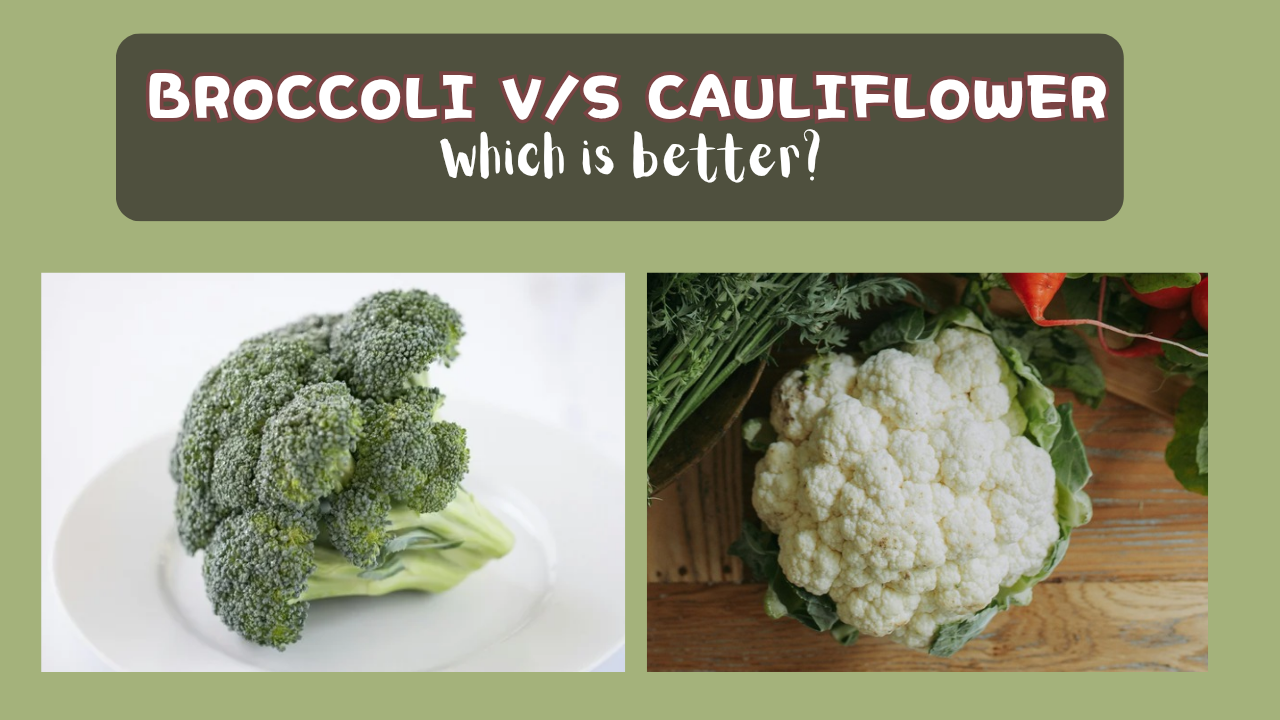
Broccoli vs Cauliflower : Health Benefits, Nutrition, and the Best Way to Cook Them
When we talk about healthy vegetables, broccoli and cauliflower always make the list. These two cruciferous veggies are not just tasty additions to your meals—they’re packed with powerful nutrients that can boost your immunity, improve digestion, reduce inflammation, and even protect against some chronic diseases.
In this blog post, we’ll explore the benefits of broccoli and cauliflower, compare their nutrition, and help you decide which one suits your health needs best. We’ll also guide you on how to cook them properly to get the most out of their health benefits.
What Are Cruciferous Vegetables?
Cruciferous vegetables include broccoli, cauliflower, cabbage, and Brussels sprouts. They are rich in antioxidants, fiber, vitamins, and special plant compounds that help fight inflammation and disease. Studies have shown that eating cruciferous vegetables at least once a week can lower the risk of colorectal cancer, especially in women.
They also support:
Immune function
Digestive health
Heart health
Blood pressure and cholesterol control
Nutritional Value of Broccoli (Per 1 Cup Raw)
Calories: 30
Protein: 2g
Fat: 0g
Carbohydrates: 6g
Sugars: 2g
Fiber: 2g
Sodium: 29mg
Health Benefits of Broccoli
Broccoli is a rich source of:
Vitamin C – Boosts immunity
Vitamin K – Essential for bone health and blood clotting
Fiber – Helps in digestion and keeps your stomach full
Antioxidants – Especially sulforaphane, which helps reduce inflammation and oxidative stress
According to the USDA:
1 cup of broccoli gives:
3%–3.5% of daily calcium needs
45%–54% of daily vitamin C
64%–86% of daily vitamin K
Research published by the National Library of Medicine also confirms that broccoli supports cardiovascular health. A Phase 1 clinical trial showed that eating 100 grams of broccoli sprouts daily for one week can offer significant heart benefits. Broccoli also contains other bioactive compounds like glucosinolates, sulforaphane, and indole-3-carbinol, which have potential anti-cancer and health-promoting effects.
Calories: 27
Protein: 2g
Fat: 0g
Carbohydrates: 5g
Sugars: 2g
Fiber: 2g
Sodium: 32mg
Health Benefits of Cauliflower
Cauliflower is:
Low in calories – Great for weight loss
High in fiber – Promotes digestion
Rich in vitamin C – Supportsi mmunity
A source of vitamin K – Important for bone and blood health
Contains choline – A key nutrient for memory, learning, and muscle movement
Cauliflower also has the antioxidant compound sulforaphane, just like broccoli. A study by the National Library of Medicine suggests that this compound may help reduce the risk of breast cancer. Additionally, cauliflower provides glucosinolates, which have anti-inflammatory and antioxidant benefits.
It also includes smaller amounts of:
B vitamins
Phosphorus
Manganese
Magnesium
Potassium
Broccoli vs Cauliflower: Which One is Healthier?
There’s no clear winner—it all depends on your dietary goals:
Choose broccoli if you’re looking for more vitamins, minerals, and fiber.
Choose cauliflower if you are on a low-calorie or low-carb diet.
Both are excellent choices, and including a mix of both in your meals can give you the best of both worlds.
How to Cook Broccoli and Cauliflower the Right Way
To enjoy the full health benefits of these vegetables, it’s important to cook them the right way. Here’s a simple step-by-step guide:
Step 1: Blanch Before Cooking
Blanching helps:
Remove harmful pesticides and chemicals
Keep the color, crunch, and nutrients intact
How to Blanch:
1. Cut broccoli or cauliflower into florets.
2. Boil water with some salt.
3. Add florets and boil for 2–3 minutes.
4. Immediately transfer them to ice-cold water to stop further cooking.
Cooking Ideas:
Soup: Blend blanched broccoli or cauliflower with spices and cornflour to make a creamy soup.
Stir-fry or Curry: Add the florets to stir-fries or Indian-style curries.
Salads: Toss blanched broccoli in a salad with dressing and seeds.
Cauliflower Rice: Grate and sauté blanched cauliflower for a healthy rice alternative.
Kebabs or Parathas: Sauté broccoli with onion and spices and use it as a stuffing for nutritious parathas.
Final Thoughts
Both broccoli and cauliflower are superfoods in their own right. Including them regularly in your diet can improve your overall health and well-being. Whether you’re trying to lose weight, boost immunity, or support your heart, these cruciferous vegetables can be a great addition to your plate.
Disclaimer:
These are general nutritional values and health benefits. Please consult a certified medical practitioner or dietitian before making any major dietary changes.


Leave a Reply